15 Nov 2026
Integrating Deposit Mandates with Voucher Systems in Online Casino Rewards at Playcosmo and LeoVegas

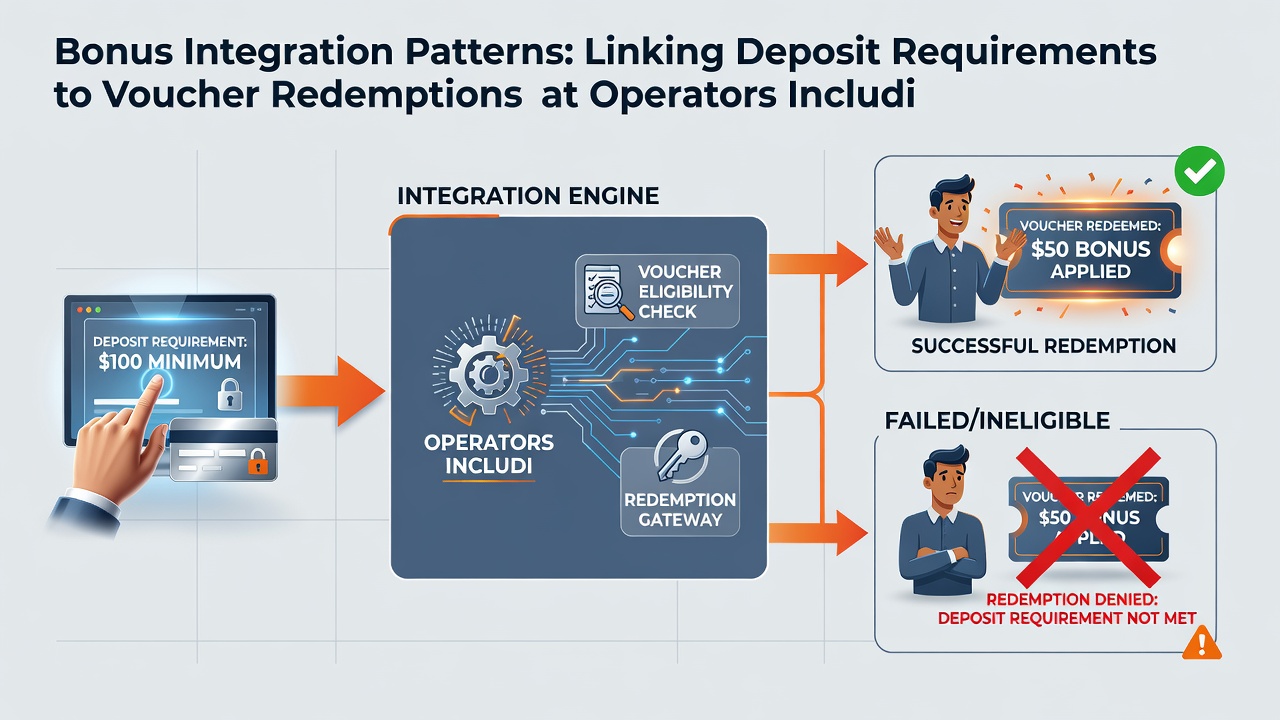
Operators have developed structured approaches that tie deposit thresholds directly to voucher redemption options, creating layered reward systems where initial funding actions unlock access to retail-style incentives. Playcosmo and LeoVegas represent two platforms that have refined these connections over recent years, with mechanisms that require minimum deposits before users can convert bonus credits into redeemable vouchers for external partners.
Core Mechanics of Deposit-Linked Voucher Access
Data from industry reports shows that many platforms now embed deposit minimums as prerequisites for voucher eligibility, ensuring that promotional funds circulate within the gaming environment before external redemptions occur. At Playcosmo this pattern appears through tiered deposit requirements that scale with voucher values, whereas LeoVegas applies similar thresholds but routes redemptions through its loyalty framework that tracks cumulative activity. Observers note these structures reduce immediate cash-outs while maintaining user engagement across multiple sessions.
According to figures from the European Gaming and Betting Association, such integrations have increased in adoption across European markets since 2024, with operators reporting higher retention when deposits precede voucher options. The process typically involves a deposit that qualifies a bonus pool, followed by wagering conditions that, once met, permit conversion to partner vouchers such as those from retail networks.
Playcosmo's Specific Implementation Patterns
Playcosmo structures its deposit-to-voucher pathway around progressive tiers where a first deposit of a set amount grants entry to basic voucher tiers, and subsequent deposits unlock higher-value options. The system logs each deposit event and applies automated tracking that flags when redemption criteria have been satisfied. Users encounter these patterns through account dashboards that display both remaining wagering progress and available voucher categories after deposits clear.
One documented approach at the operator links deposit frequency to voucher variety, allowing repeated funding actions to expand redemption choices beyond initial slots or table game bonuses. This creates a cycle where deposits serve dual purposes: funding gameplay and accumulating eligibility for external rewards. Research indicates this method aligns with broader trends in which operators use deposit data to personalize voucher offers based on historical activity levels.
LeoVegas Voucher Integration Through Deposits
LeoVegas incorporates deposit requirements into its loyalty points system, where each qualifying deposit adds to a points balance that later converts to voucher redemptions. The operator sets deposit minimums that correspond to specific redemption bands, ensuring players reach those thresholds before accessing partner offers. Patterns here emphasize ongoing deposits rather than one-time actions, wth monthly resets that encourage continued funding to maintain voucher access.
Figures from industry analyses reveal that LeoVegas has adjusted these thresholds multiple times, with notable updates visible around November 2026 that aligned deposit bands more closely with seasonal promotional calendars. The platform routes redemptions through an internal marketplace where accumulated points from deposits exchange for vouchers, creating a direct line from funding behavior to external reward delivery. Those who have examined the system describe it as a closed loop that funnels deposit activity toward both gameplay and voucher milestones.
Comparative Patterns Across the Two Operators
Both platforms demonstrate overlapping yet distinct approaches to linking deposits with voucher redemptions. Playcosmo tends to front-load eligibility after fewer deposits, while LeoVegas distributes requirements across longer activity periods. Data indicates that these differences reflect varying user bases, with Playcosmo focusing on quicker conversions and LeoVegas emphasizing sustained deposit patterns. External reports from research institutions such as the Australian Gambling Research Centre have highlighted similar divergences in how operators balance deposit mandates against redemption flexibility across different jurisdictions.
Common elements include automated verification steps that confirm deposits before voucher codes generate, plus restrictions that prevent immediate redemption without prior wagering. These shared features create consistency in how players experience the deposit-to-voucher journey regardless of the chosen operator.
Trends Observed in November 2026
By November 2026, both Playcosmo and LeoVegas had introduced refinements that tightened the connection between deposit amounts and voucher tiers, responding to evolving regulatory expectations around bonus transparency. Adjustments included clearer display of deposit thresholds on promotional pages and expanded tracking tools that show progress toward redemption in real time. Industry organizations tracking these changes report that such updates aim to align internal bonus mechanics more closely with external voucher partner requirements.
Patterns emerging at this time also showed increased use of segmented deposit offers, where specific user groups received tailored minimums based on prior activity. This segmentation allowed operators to maintain engagement while directing voucher redemptions toward higher-value deposits.
Conclusion
The integration of deposit requirements with voucher redemptions at operators like Playcosmo and LeoVegas illustrates a maturing approach to casino reward design. These patterns rely on structured deposit thresholds that precede redemption access, supported by tracking systems that convert in-game activity into external voucher options. Data from multiple sources confirms that such mechanisms continue to evolve, with operators refining connections between funding actions and reward delivery to match user behavior and regulatory standards.