18 Oct 2026
The Convergence of Retail Reward Programs and Digital Gaming Incentives in Platform Ecosystems
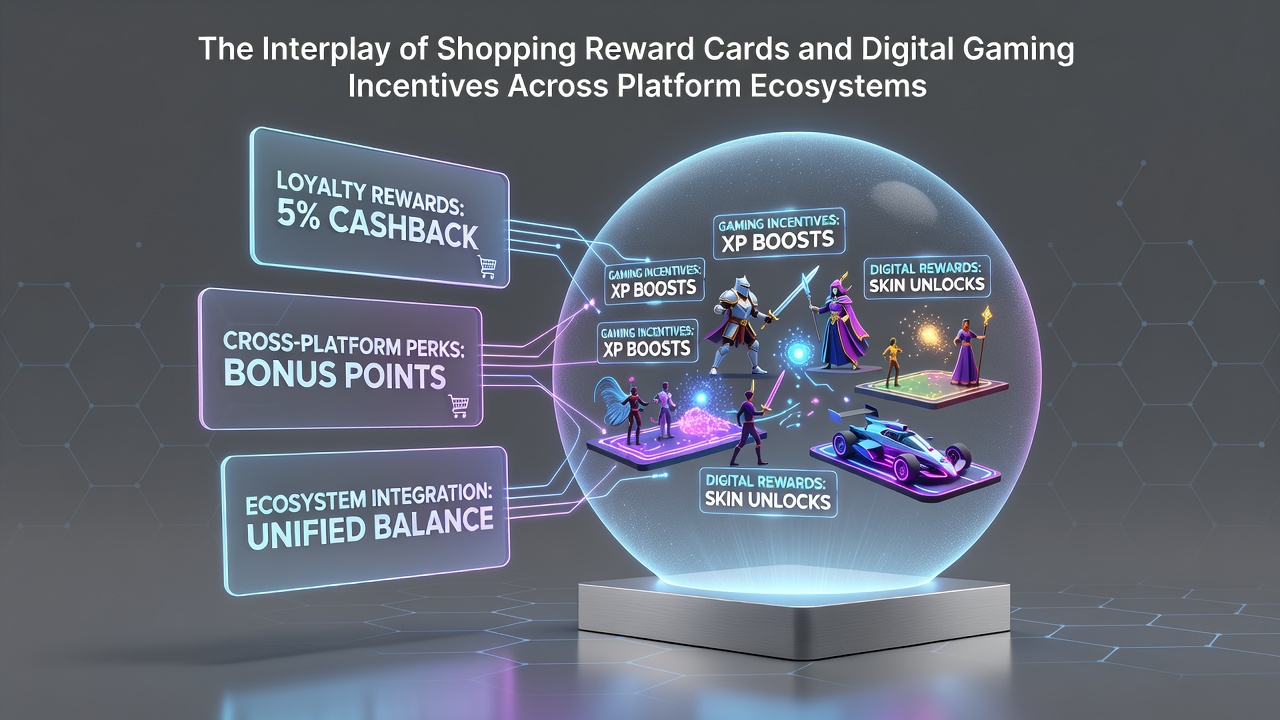 Retail loyalty programs have expanded well beyond traditional discounts as consumers accumulate points from everyday purchases at supermarkets, department stores, and credit card issuers, while digital gaming platforms maintain their own ecosystems of in-game currency, achievement badges, and subscription perks that encourage continued engagement across devices.
Retail Reward Structures and Consumer Data Patterns
Shopping reward cards track purchasing behavior through tiered point systems where users earn credits based on spending volume, product categories, and promotional periods, with data from the European Commission indicating that such programs processed over 450 billion loyalty transactions across EU member states in 2025 alone.
These systems often partner with financial institutions so that credit card rewards convert into store credits or partner vouchers, creating layered incentive networks that influence where and when consumers choose to shop.
Digital Gaming Platform Incentives
Video game ecosystems on consoles, PCs, and mobile devices award users with virtual currencies, exclusive content unlocks, and progress multipliers that accumulate through playtime, purchases, and social features, according to industry reports from the Entertainment Software Association in North America.
Platforms such as those operated by major console manufacturers allow points earned from gameplay to offset future digital purchases, while cross-device synchronization ensures rewards remain accessible whether users play on handheld units or home consoles.
Integration Pathways Across Ecosystems
Partnerships between retail chains and gaming platforms enable points collected from grocery or apparel purchases to convert into gaming credits or subscription extensions, a development that gained momentum when several large retailers announced API integrations with entertainment services in early 2026.
One study released by Statistics Canada in September 2026 documented that 28 percent of households participating in both retail loyalty schemes and digital gaming accounts had transferred value between the two systems at least once during the prior twelve months.
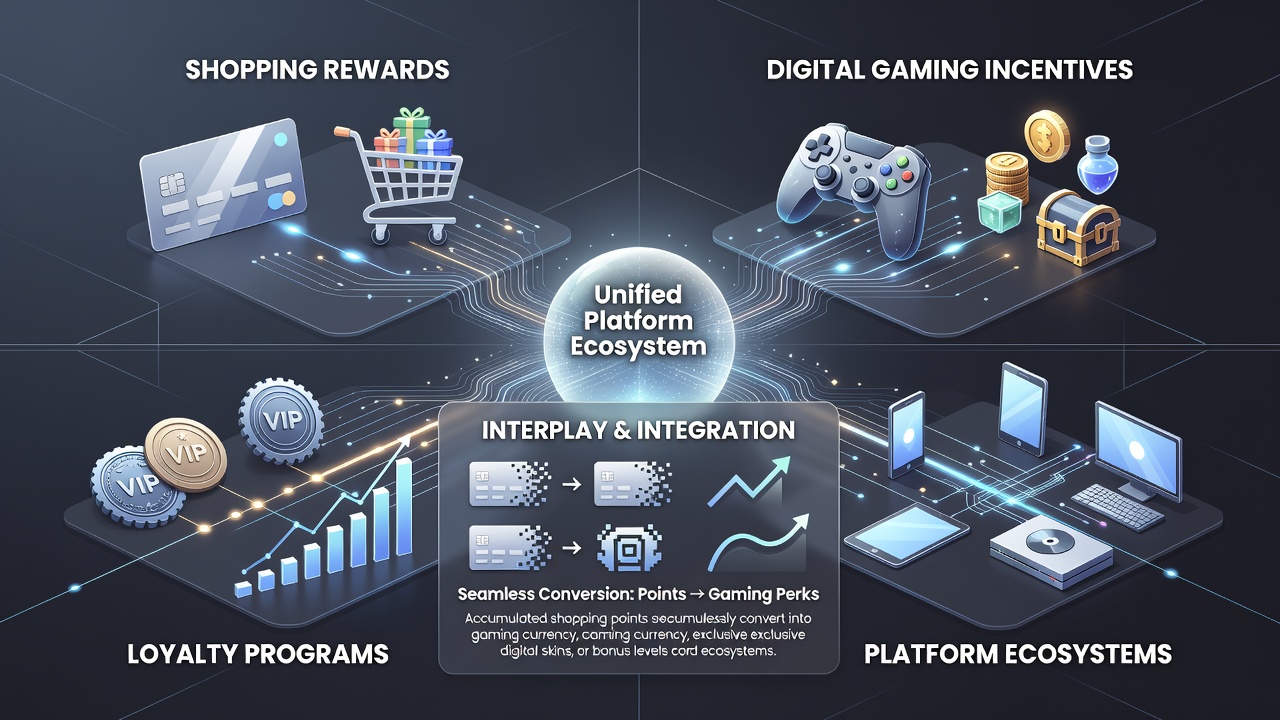
These transfers typically occur through intermediary apps or branded portals where users link accounts and select conversion rates that vary by promotion, allowing retail points to fund battle passes or cosmetic upgrades while gaming achievements occasionally unlock retail discounts on related merchandise.
Platform Ecosystem Dynamics in October 2026
By October 2026 several major technology firms had expanded their digital wallets to accept loyalty points from multiple retail partners alongside native gaming currencies, streamlining redemption flows that previously required separate logins and manual code entry.
Australian Competition and Consumer Commission monitoring showed that such unified wallets reduced average transaction friction by approximately 35 percent compared with earlier fragmented systems, encouraging higher participation rates among users who maintained memberships across both retail and entertainment sectors.
Observers note that these developments create feedback loops where increased retail spending boosts gaming engagement, while time spent in games drives additional retail purchases through targeted offers delivered within platform dashboards.
Regional Variations and Regulatory Context
Differences emerge across jurisdictions because data protection rules and consumer protection statutes shape how companies share user information between retail and gaming entities, with the European Union's Digital Markets Act requiring explicit consent for cross-sector data flows that link loyalty profiles to gaming accounts.
In contrast, frameworks in parts of Asia and South America permit broader data aggregation, resulting in more aggressive personalization of offers that combine shopping history with in-game behavior to suggest bundled rewards.
Industry associations such as the Interactive Games and Entertainment Association have published guidelines encouraging transparent disclosure of conversion rates and expiration policies to maintain user trust across these interconnected systems.
Conclusion
The interplay between shopping reward cards and digital gaming incentives continues to evolve through technical integrations, regulatory adjustments, and shifting consumer expectations that link everyday purchases with virtual entertainment economies across multiple platforms.