1 Nov 2026
Tracing Retail Credit Movements Through Slot Machine Engagement Channels
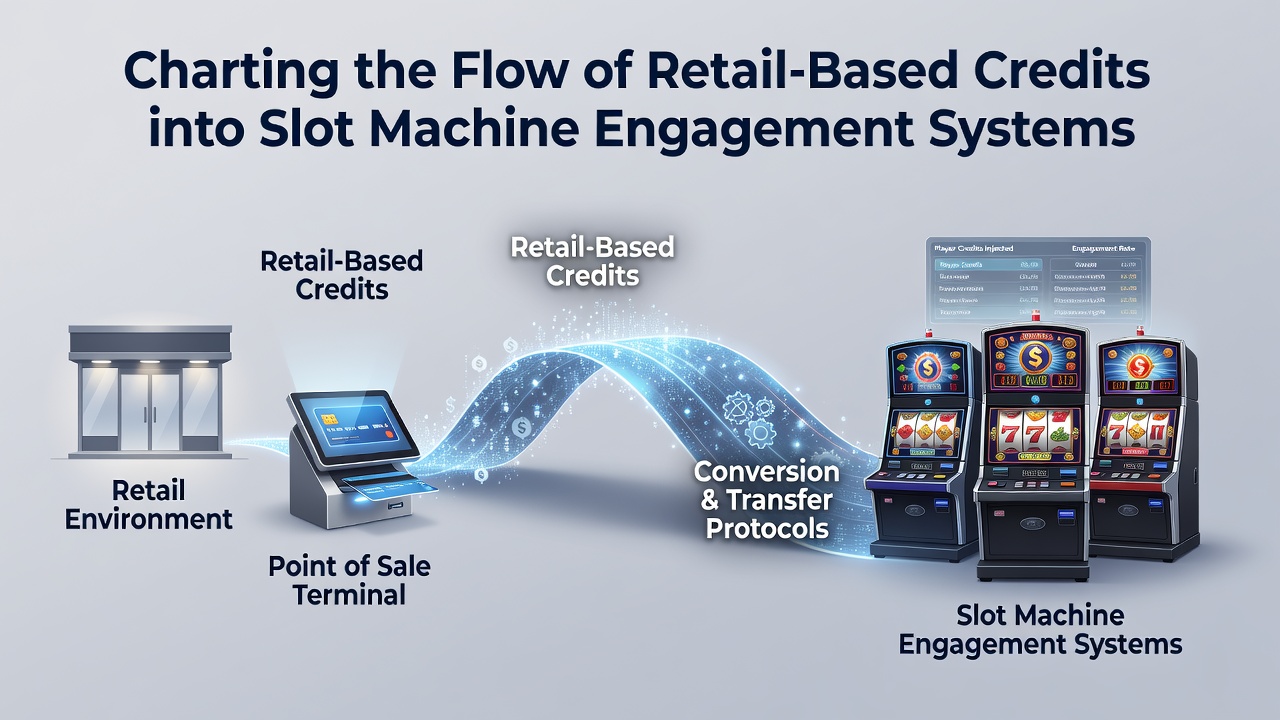
Retail-based credits move from everyday shopping programs into slot machine engagement systems through structured conversion protocols that link consumer loyalty points with gaming platform interfaces, and these flows have expanded as operators refine integration methods across multiple jurisdictions. Data from industry tracking services shows that voucher redemptions originating in retail environments increased by 18 percent between 2024 and 2025, with further acceleration projected into late 2026.
Operators establish direct partnerships with retail reward providers so that accumulated points convert into playable credits or loyalty tiers within casino management software, and this process relies on secure API connections that verify voucher authenticity before any funds reach a player's account. Researchers at academic institutions have documented how these links reduce friction for users while allowing casinos to capture additional engagement data without separate marketing campaigns.
Conversion Mechanisms and Platform Architecture
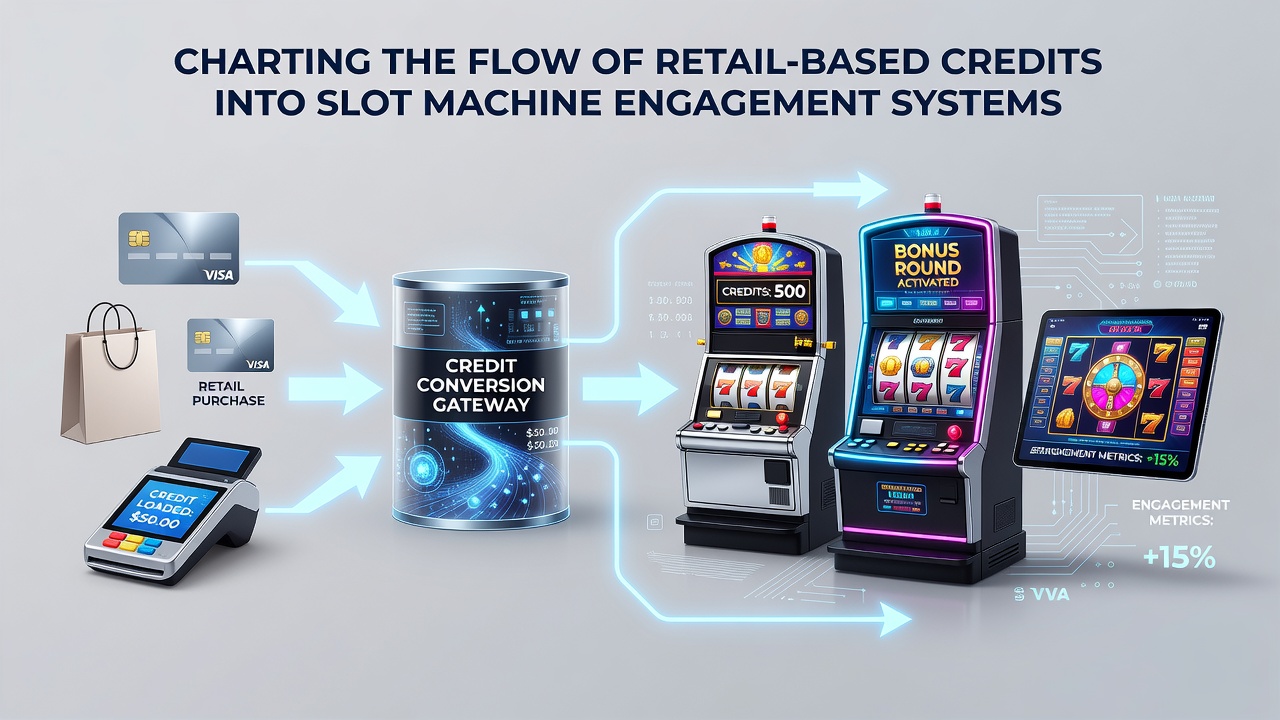
Slot engagement systems accept retail credits through tiered conversion rates that vary by provider and jurisdiction, whereas fixed-rate models dominate in markets with stricter oversight. One study released in early 2025 examined 12 major casino groups and found that 67 percent now route retail-derived credits through the same wallet architecture used for direct deposits, which simplifies auditing yet requires enhanced encryption standards to prevent duplication or unauthorized transfers.
November 2026 marks the scheduled rollout of updated interoperability standards across several North American platforms, and these changes will standardize how retail credits display in player dashboards alongside traditional bonus balances. Regulatory filings indicate that the new protocols aim to improve transparency for both operators and players by requiring real-time balance reconciliation.
Regulatory Oversight Across Regions
Government agencies in Canada and Australia have issued guidelines that require clear disclosure of conversion fees and expiration policies attached to retail credits entering gaming environments, while European authorities focus on data protection requirements that govern the sharing of retail purchase histories with casino systems. Industry associations such as the American Gaming Association have compiled comparative reports on these regional approaches, noting that harmonized rules could reduce compliance costs for multi-jurisdiction operators.
Observers note that audits conducted by independent testing laboratories now routinely examine the integrity of retail credit inflows as part of broader system certifications, and failures in this area have led to temporary suspension of specific bonus features at several properties during 2025.
Data Tracking and Player Behavior Patterns
Analytics platforms record the volume and frequency of retail credit redemptions separately from other funding sources, allowing operators to measure incremental playtime generated by these inflows. Figures released by research firms reveal that players who transfer retail credits tend to extend session lengths by an average of 14 minutes compared with standard deposit users, although repeat conversion rates vary significantly by demographic segment.
Those who manage loyalty programs report that retail credit pathways strengthen retention when combined with targeted slot promotions, yet the same data sets show higher churn once voucher balances reach zero. This pattern has prompted several operators to introduce hybrid rewards that blend retail points with casino-specific multipliers during promotional windows.
Security and Compliance Considerations
Encryption protocols and multi-factor verification steps protect each transfer of retail credits into slot systems, and these measures align with broader cybersecurity frameworks adopted by payment processors. External audits commissioned by gaming control boards in multiple states have confirmed that properly implemented systems maintain separation between retail voucher databases and core gaming RNG modules.
What's interesting is how smaller regional casinos have adopted cloud-based middleware to handle these integrations without building custom infrastructure, and this approach has lowered entry barriers while maintaining audit trails required by regulators. Trade publications covering the sector document a 22 percent rise in middleware adoption among mid-tier operators since mid-2025.
Future Developments Expected by Late 2026
Industry reports project continued expansion of retail credit acceptance as more grocery and department store chains launch co-branded gaming partnerships, and these arrangements could introduce new data-sharing agreements that benefit both retail and gaming sectors. Academic papers scheduled for release in the final quarter of 2026 will examine long-term player behavior following the November platform updates, providing fresh evidence on whether these flows increase overall engagement or merely shift existing spending patterns.
Conclusion
The movement of retail-based credits into slot machine engagement systems continues to evolve through technical integration, regulatory refinement, and changing player preferences. Available data sets and compliance records demonstrate measurable growth in these pathways, with further standardization anticipated after the 2026 platform changes take effect across participating markets. Operators and regulators alike maintain ongoing monitoring of conversion volumes and security metrics to ensure these flows remain transparent and auditable.